Stories. Insights. Guides
Every heartfelt story here offers an intimate glimpse into every mother's philosophy and everyday rhythms. Through their experiences, find gentle insights and practical guidance to support you in your own journey.
Postpartum Recovery After Childbirth: Dr. Jane Fang Pang on Pelvic Floor Health, Bladder Leaks & Women’s Wellness
Many mothers quietly experience bladder leaks, pelvic discomfort, weakened pelvic floor muscles, or changes in intimacy after childbirth. However, it is not openly talk about it. In this candid conversation, Dr Jane Pang of EHA Clinic breaks down the realities of postpartum recovery, why these symptoms are more common than women realise, and how mothers can seek support without shame.
THE Voice


Dr. Jane Pang Suan Choo is a Family Physician with a special interest in women’s health and aesthetic medicine. She holds a Bachelor of Medicine and Bachelor of Surgery and is fully registered with the Singapore Medical Council (SMC). Driven by her dedication to holistic patient care, she further pursued Graduate Diplomas in Family Medicine and Family Practice Dermatology, alongside Certificates of Competence in various aesthetic procedures.
Dedicated to providing evidence-based and patient-centred care, Dr. Pang actively participates in medical workshops, professional training programmes, and industry conferences to stay updated with the latest advancements in aesthetic medicine and women’s health. Her commitment to continuous education ensures that patients receive informed, current, and personalised treatment approaches grounded in modern medical practice.
About Dr. Jane Pang Suan ChooLead Aesthetic Doctor, EHA Clinic
THE Story
Motherhood transforms the body in profound ways that many women are never fully prepared for. Beyond the sleepless nights and emotional adjustments, countless mothers quietly navigate bladder leaks, pelvic discomfort, weakened core strength, intimacy concerns, skin changes, and shifts in confidence after childbirth. Yet despite how common these experiences are, conversations surrounding postpartum recovery often remain unspoken.
In this honest and educational interview, Dr. Jane Fang Pang shares medical insights into the realities of postpartum recovery and explains why pelvic floor health deserves greater awareness and open discussion. From understanding why these symptoms occur to recognising when mothers should seek professional support, this conversation aims to reassure women that they are not alone, and that many postpartum concerns are both common and treatable.
Together with insights from EHA Clinic’s postpartum wellness approach, this feature explores the physical changes women may experience after pregnancy and childbirth, while encouraging mothers to approach recovery with greater awareness, support, and self-compassion.
Understanding Postpartum Changes
According to Dr. Pang, bladder leaks after pregnancy and childbirth are extremely common, particularly within the first few months postpartum. Research has shown that approximately one in three women experiences some form of urinary incontinence during the early postpartum period.
Pelvic discomfort is also frequently reported after birth. This may include:
Perineal soreness
Pelvic heaviness or pressure
Discomfort during intimacy
Pain around tears, episiotomy scars, or C-section scars
Difficulty with bladder control
While these symptoms are common, Dr. Pang emphasises that they should not simply be dismissed as “part of motherhood” without proper support or assessment.
How Common Are Bladder Leaks or Pelvic Discomfort After Childbirth?
The pelvic floor is a group of muscles and connective tissues that supports the bladder, uterus, vagina, and bowel.
During pregnancy, these tissues carry increased weight for many months while hormonal changes make the body more flexible in preparation for childbirth. During vaginal delivery, the pelvic floor stretches significantly to allow the baby to pass through.
Postpartum laxity refers to the reduced firmness or support women may feel after birth. For many mothers, this improves gradually with recovery and rehabilitation. However, symptoms may persist longer in cases involving:
Prolonged labour
Assisted delivery
Large babies
Severe tearing
Multiple pregnancies or births
Dr. Pang explains that postpartum recovery varies greatly from woman to woman, and no two healing journeys are exactly the same.
Why Is Pelvic Floor Weakening So Common After Pregnancy and Delivery?
Types of Birth & its impact
In general, vaginal birth is associated with a higher risk of pelvic floor disorders such as stress urinary incontinence and pelvic organ prolapse. However, Dr. Pang stresses that C-sections do not eliminate pelvic floor risks entirely.
Pregnancy itself places significant strain on the pelvic floor due to:
The weight of the growing uterus
Increased abdominal pressure
Hormonal tissue changes
Changes in posture and core strength
Some mothers also experience labour before undergoing an emergency C-section, meaning the pelvic floor may already have been exposed to contractions, pushing, or the baby’s descent.
As Dr. Pang explains, the most accurate understanding is this: vaginal birth generally carries a higher pelvic floor risk, but mothers who deliver via C-section can still experience bladder leaks and pelvic floor symptoms.
Does the Risk Differ Between Vaginal Birth and C-Section?
Why can C-section mothers still experience bladder control issue?
Many women are surprised to experience bladder leaks after a C-section, but Dr. Pang explains that pregnancy alone can affect bladder control and pelvic floor function.
Factors that may contribute include:
Pressure from the growing uterus
Hormonal changes
Constipation
Reduced core strength
Changes in posture and abdominal pressure
Additionally, C-section recovery can temporarily affect abdominal muscle function because it is still a major abdominal surgery. Since the abdominal wall and pelvic floor work together, reduced core activation or scar discomfort may influence bladder control during coughing, lifting, exercise, or daily movement.
Dr. Pang emphasises that mothers who experience leakage after a C-section should not feel dismissed or confused. These symptoms are valid, common, and treatable.
Breaking the Silence
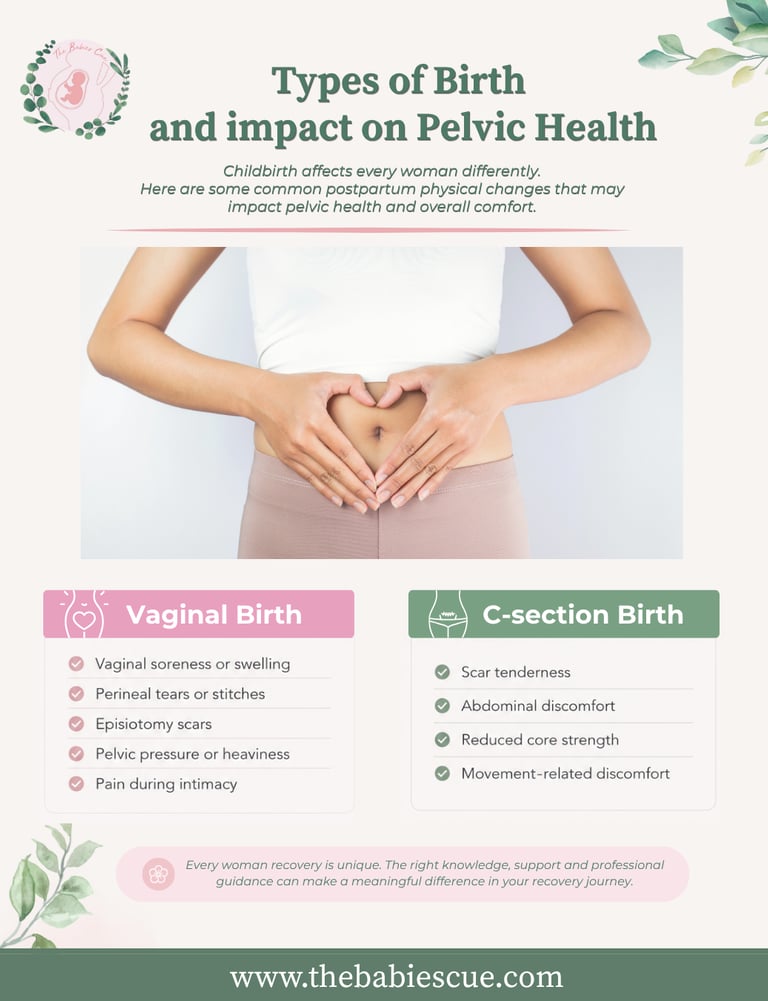
Childbirth can lead to a range of physical and hormonal changes that may affect a woman’s comfort, body confidence, and experience of intimacy during the postpartum period. After a vaginal delivery, many women experience vaginal soreness, swelling, perineal tears, stitches, or episiotomy scars, which can make intimacy feel uncomfortable or painful during recovery. Some mothers may also notice changes in vaginal sensation, feelings of reduced pelvic support, or difficulty engaging their pelvic floor muscles, all of which can impact confidence and comfort during sexual activity.
In some cases, pelvic floor muscles may become overly tight or guarded after childbirth rather than simply weakened, which can contribute to pain during penetration or ongoing pelvic discomfort. Hormonal changes during breastfeeding may also lower oestrogen levels, leading to vaginal dryness and increased sensitivity, which can further affect intimacy.
For mothers recovering from a C-section, scar tenderness, abdominal discomfort, reduced core strength, and movement-related pain may also influence how comfortable they feel physically and emotionally during intimacy. Dr. Pang explains that these experiences are more common than many women realise, yet they are often not openly discussed. She emphasises that discomfort, reduced sensation, pain during sex, or changes in confidence after childbirth are valid postpartum concerns and should not be dismissed or silently endured.
Postpartum Changes That Can Affect Comfort, Pelvic Health & Intimacy
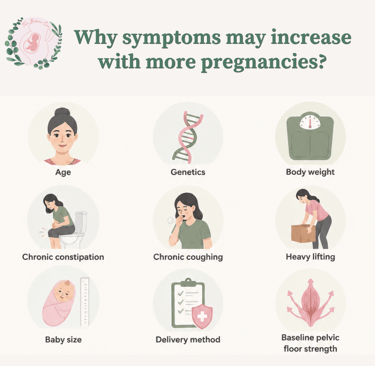
Do Symptoms Become More Pronounced With Multiple Pregnancies?
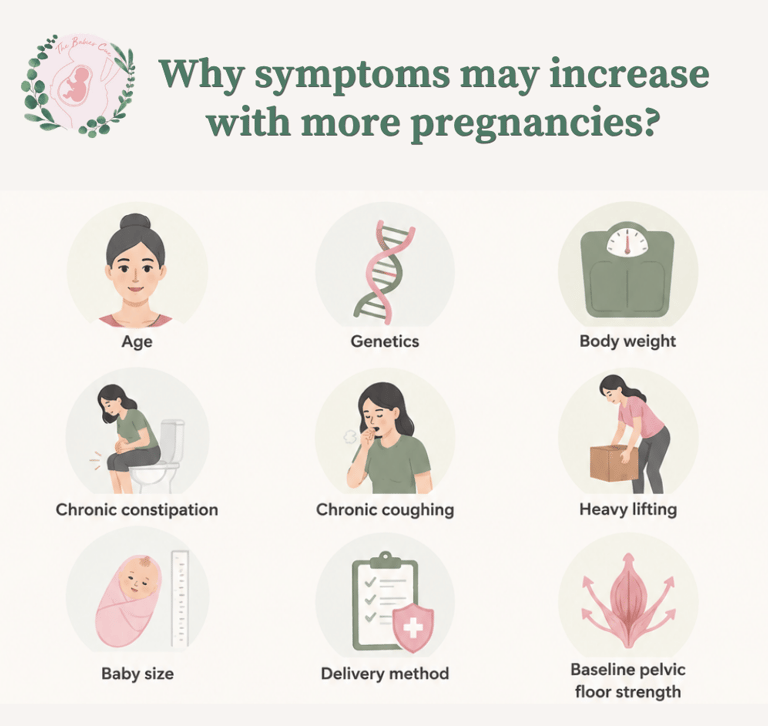
Dr. Pang explains that symptoms can become more noticeable with multiple pregnancies and births, as each pregnancy places additional strain on the pelvic floor, abdominal wall, and connective tissues. However, the number of pregnancies is not the only contributing factor. Ultimately, every woman’s postpartum recovery experience is different.
Recovery & Seeking Help
Recovery timelines after childbirth can vary greatly from one woman to another. While some mothers may notice improvements within a few weeks, others may require several months or longer to fully recover. Dr. Pang explains that the early postpartum period is a crucial phase for healing, particularly when it comes to rebuilding pelvic floor strength and restoring bladder control. Mild bladder leakage may gradually improve over the first few months, especially with proper pelvic floor rehabilitation, rest, and recovery support.
However, mothers are encouraged to seek medical assessment if symptoms persist, worsen, or begin affecting their quality of life. This includes bladder leaks that interfere with daily activities, exercise, caregiving, or social confidence, as well as symptoms such as pelvic heaviness, vaginal bulging, pain during intimacy, bowel leakage, difficulty emptying the bladder, or recurrent urinary tract infections. Dr. Pang emphasises that women should not feel pressured to simply “wait it out” for a year before asking for help, as early intervention and support can make a significant difference in recovery outcomes.
What Is a Realistic Recovery Timeline?
EHA Clinic Postpartum Programs
The EHA PostPartum Wellness Program supports mothers in addressing common physical changes after pregnancy and childbirth. The programme takes a personalised approach, with treatment options tailored according to each mother’s symptoms, skin condition, lifestyle, and recovery needs.
Stretch marks
EHA assesses the type, colour, and stage of stretch marks before recommending treatments to improve skin texture, support collagen production, and reduce their appearance over time. Options may include Pico Laser, Gold Microneedling RF, Fractional CO2 Laser, Collagen Growth Skinboosters, and PelviTone.
Postpartum hair loss
Hair loss after childbirth may be linked to hormonal changes, stress, or nutritional deficiencies. EHA takes a holistic approach, which may include blood tests and lifestyle assessment before recommending treatments such as Gold Microneedling RF, Anteage, Regenera Activa, FUE Hair Transplant, Minoxidil sprays, or supplements such as Nourkin.
Pelvic floor weakness
Pregnancy and childbirth can weaken the pelvic floor, sometimes leading to urinary leakage, reduced muscle tone, and lower core stability. PelviTone uses gentle electromagnetic muscle stimulation to create deep pelvic floor contractions, helping to improve muscle tone, bladder control, and pelvic wellness. A course of 6–8 sessions is typically recommended.
Skin laxity or “mummy pooch”
Loose skin after pregnancy may occur due to stretching, hormonal changes, and collagen breakdown. EHA offers treatments aimed at stimulating collagen and elastin production to improve firmness over time. Body options include MSculpting, CoolSculpting Elite, and EMSculpt, while facial options include HIFU Skin Tightening, WonderFace, and Monopolar RF treatment.
Postpartum pigmentation and melasma
Hormonal changes after pregnancy can lead to dark patches, uneven skin tone, linea nigra, or melasma on the face. EHA uses a personalized approach based on skin type and pigmentation pattern, with options such as PICO Laser, IPL, and Gold Microneedling RF. Overall, the programme focuses on helping mothers recover confidence and comfort after childbirth by addressing skin, hair, body contouring, and pelvic floor concerns in a personalised, non-surgical way.
Message for all Mothers
Bladder leaks, pelvic heaviness, discomfort, or changes in control after childbirth are common reasons to seek care.
Dr. Pang encourages mothers to know that they do not need complicated medical language to seek support. Simple statements such as:
“I leak when I cough.”
“I feel pressure below.”
“I don’t feel in control of my bladder.”
“Sex feels uncomfortable after birth.”
are all valid medical concerns that deserve attention and care.
The earlier we understand what is happening,” Dr. Pang explains, “the better we can guide recovery.
More Stories ...
SHARE your story
We believe in the quiet strength of community. In moments when you feel overwhelmed or uncertain, you are never alone - draw comfort and inspiration from the journeys of fellow mothers. If you would like to share your own stories to uplift and support others too, please feel free to get in touch with us!
Contacts Us:
Whatsapp: +65 8083 4929
Email: hello@thebabiescuue.com
We believe in the quiet strength of community.
In moments when you feel overwhelmed or uncertain, you are never alone!
Let The Babies Cue be with you.
Draw comfort and inspiration from the journeys of fellow mothers.
If you would like to share your story, or collaborate with us on partnerships, campaigns or events, please reach out to us via the information on the right!